
Changing Times Almost 50% of the global workforce today is less than 30 years of age. This is a generation that has grown up with never-seen-before exposure to all kinds of information and knowledge. It is a completely informed workforce, which is driven by very different kind of motivators, as compared to the generations preceding it. Most organizations are struggling to manage a diverse talent landscape-spanning across multiple generations in a professional set up.
In the present times you see Baby Boomers – the generation born post WWII – in the last phase of their careers working together with Generation X who are also known as the Latch Key Generation. Generation X saw their parents focusing on work, experienced nuclear families and had to become independent early on. Generation Y on the other hand, has experienced internet and cable television since its early days.
There are some key differentiators which demarcate one generation from another such as economic, social and political conditions. Experiences during formative and teenage years of a generation shape up its vision of the world. Managing such a diverse talent in organizations today has become both an art and a science. There no longer exists a clearly defined set of rules that can be considered as a ‘Standard Operating Procedure’ to be followed to the letter which would help HR managers navigate through the choppy waters that most companies resemble these days as far as their talent landscapes are concerned.
Who are they? The term ‘Gen-X’ was coined by Douglas Coupland in 1991 (Coupland). The phrase Generation Y first appeared in an August 1993 editorial in Ad Age to describe teenagers of the day, which they defined as different from Generation X, and then aged 12 or younger as well as the teenagers of the upcoming ten years. Generation Y’ are also called ‘Echo Boomers’ due to the high increase in birth rate in this generation after the Baby Boomers. Generation Y is a generation that has grown up with technology since its childhood. It has an increased awareness about politics and religion and this has resulted in an increased tolerance towards differing cultures and points of view. The world for Generation Y has become increasingly smaller due to digitization and the internet. The boons and banes of technology have certainly impacted this generation the most. Networking on internet has resulted in an innate need to socialize and seek attention and feedback on every action it performs in the course of its normal day.
There has been a lot of research over time to understand the upcoming generation in the workforce and their preferences. The key influencers for Gen Y are the 3 P’s mentioned below (McCrindle):
Peers Relational connections- With the advent of social networking sites such as Facebook and Twitter, Generation Y has active relational connections which are dynamic, and the same behavior is translated in their physical life. Generation Y embraces community values and tries to reach a consensus. It is extremely comfortable with a group of 3 to 8 people. There is an inherent necessity in this generation to be understood, accepted, respected and included. The extraordinarily close bonds that Gen Y has formed with their friends are striking to some observers (Reilly, 2000). Belonging to a group is very important for millennials and once they are accepted in a group, they imbibe group norms as their own. One of the reasons, millennials may cling to each other is that parents and role models are in short supply for many of them. (Gene Cole, 2002) . Since Generation Y has strong views and inclinations, there is a need for real life role models. This generation needs guidance in the form of a mentor. In the world of personalization and abundance in the choices available, the mentor should be able to personalize advice for every individual based on the circumstances.
Pragmatism- Generation Y is very practical in its outlook. They are sensitive to increasing unemployment rates and corporation collapses such as Anderson & Enron. Member of Gen Y have witnessed economic downturns and its perils such as lay-offs impacting their parents very closely. With an accumulative increase in inflation and prices, there is a definite impact on the quality of life. There is also a spurt in housing costs which has resulted in Millenials spending more time with their families, as against the earlier generation. They have seen the preceding generations working hard and losing out on precious family time. Generation Y feels that raising a family is more important (Gene Cole, 2002). This Generation looks for a meaning to life outside of work. Materialism has disillusioned it as the hardworking Generation X is succumbing to stress induced diseases and broken homes.
Preference- Generation Y is one of the most liberal generations and is conscious of the fact that there is no absolute truth. Everything is relative and any ideology or faith is valid as long as it is not intolerant of others and does not infringe on anyone’s rights. One of the main reasons for the greater tolerance is an enhanced awareness about different cultures and beliefs. As the world has become smaller because of technology, it has also resulted in heightened cognizance among Gen Y.
The Impact Each of these influencers manifests itself in certain behaviors. Organizations need to be alert to each of these behaviors and manage them early on to ensure business profitability and success. Talent management strategies should be altered keeping the behaviors in mind. (Spiro, 2006) . Every organization will need to understand this generation better and educate supervisors and managers about the preferences of Generation Y. With a better understanding of their preferences and behaviors, Echo Boomers can be better engaged with and their integration into the workforce can be seamless.
Great Expectations- Generation Y has been showered with so much attention and applause from the Helicopter parents who are constantly working on their kids – hovering overhead. This has resulted in very high expectations of self and others in the minds of Gen Y. This generation has experienced a lightning fast pace of change in its environment and technology. It has the same outlook on its potential to work faster and better. Millenials also have high expectations of employers and their peer group. They are ready to take immediate responsibility and want to make an impact from Day 1. They want to be in complete control of their outcomes and prefer small goals with tight deadlines to build ownership of tasks.
Always on the go- Millenials seek learning opportunities and stretch targets. They look at their peer group as vast learning resources and are open to collaborative ways of working. Echo Boomers are financially savvy and open heartedly embrace change. This generation is a generation of multi-taskers who can move between multiple tasks and systems effortlessly.
Independent and Ambitions- Millenials are self-reliant and used to the ‘Do It Yourself’ culture since childhood. A paradox is that, while Millennials are adept at doing things on their own, they want clear directions on what is expected of them. Once the goal is clear, then it is easy for them to work on it. The other key oxymoron is that, while they like working independently at their own pace, there is an inherent need to collaborate with the peer group. Majority of Gen Y does admit that it is very ambitious. This generation is a go-getter from the word start. It has been exposed to a world of opportunities and possibilities from a very young age. Even parents help infuse confidence in the abilities of this new generation bubbling with energy and enthusiasm.
The Solution Strategies The good news is that certain observations can be intelligently made about Gen Y, which would help in developing core talent management strategies required to keep a young workforce engaged and motivated. Keeping the key influencers and the high expectations of Echo Boomers in mind, there are some strategies that can be adopted by organizations to effectively manage this talent.
It is no longer about money alone- Performance reviews, which equate performance targets with only monetary compensation, should become passé. Beyond the first couple of upward revisions, the importance of money as being the primary professional motivator reduces for the Millenials. What they do and how they are treated during their workday, are just as important as the figure on their monthly paychecks. Professional development, recognition, flexible work schedules, attentive employers, and freedom of expression are a few key non-monetary awards that should clearly become a part of the culture of organizations, which want to attract this generation and retain it.
Display confidence in their abilities- While Generation Y hopes to remain faithful to their current employer, they also want a host of new experiences and challenges from their work (Sylvia Ann Hewlett, 2009). Since they have experienced changes at a very fast pace, there is a risk that they may get bored easily. The organizations should create opportunities for developing new skills and create impact. One way of doing this is to provide the better performers in the team an opportunity to constitute and lead special purpose task forces, entrusted to develop solutions to specific problems or provide suggestions for improving operations. Simple and cost effective measures like these go a long way in making them feel valued and recognized and can do wonders for employee motivation. However, it is equally important to provide some sort of continuity to such programs, for example, following up and executing the recommendations provided by such task forces.
Have regular conversations with them- This one is a no brainer really. But, it is surprising how often it is neglected, especially in the increasingly deadline driven work culture which permeates most layers of a corporate organization today. Focused weekly conversations on topics such as career coaching (even if this means a discussion on where the employee should be headed at the end of his/her tenure with the organization), real time feedback on his/ her performance (without waiting till the end of review period), skill development of the employee over and beyond what is required for the current job role will help in developing a sustainable rapport and connection between the management and employees and this will have a direct impact on employee productivity. An important point here is that such conversations should not be limited between employees and their immediate supervisors, but need to include senior management as well as that would send a clear message to the employees in question about executive intent. A periodical session for top performers with senior management should not be very tough for organizations to exhibit leadership interest in such activities.
Recognize effort, not just achievement- Often times, in today’s complex business environment, achievement is a function of many factors, some of which are clearly beyond the impact scope of young employees in the early stages of their careers. Factors such as internal client challenges and poor client relationship management (especially relevant for service companies) could have a severe impact on feedback scores which ultimately end up affecting the younger employees more severely as compared to their supervisors who have the insulation of managing multiple reportees with odds of a majority of them messing up being very low. In such situations, on a case by case basis, publicly recognizing and rewarding effort put in would be extremely helpful in communicating to young employees that senior management is well aware of the real challenges being faced by front line personnel and effort being put in is being observed and acknowledged. A generation brought up on a daily dose of online social networks would find such public recognition worth striving for, especially among their peers, whose respect and approval very much remains an aspiration for youngsters.
Listen to what they have to say- This generation is self-reliant, collaborative and has the belief that it has what it takes to succeed. Managers should understand this thought process and for every task, they should plan for trial-and-error as well as extra time to allow greater collaboration for Gen Y. Once they show that they care, Gen Y will go the extra mile for the manager and the company.
Very few companies do this well or frequently enough. Gen Y has opinions and views on everything and some of them are constructive and well-reasoned that could benefit the organization significantly. Making them feel a part of the decision would help in obtaining their buy-in on important initiatives. It will also make them feel engaged with a clear communication channel with senior management and will have the added benefit of reducing message dilution which is a typical characteristic of a multi-layered organization. This will keep the corporate atmosphere positive and will prevent disgruntled experienced employees from influencing their younger counterparts.
Here and Now- This generation is very tech savvy and is used to the latest gadgets and applications since childhood- organizations need to make investments in this arena to ensure they have up-to-date technology or else they are bound to face challenges to hold the interest of the Gen Y employees. Gen Y is clearly at ease with diversity and is extremely comfortable working with people from different backgrounds. This conscientiousness and acceptance extends to making a positive impact on the world. They would want their employers to be socially aware and green.
Communicate and Connect- Networking and interacting is their second nature; hence team work is a good motivation. The office space should follow the ‘Open Door’ policy with access to anyone in the organization. Institutions have to take steps and be conducive to socializing. Communication with this generation should be real and spontaneous. There needs to be honesty and relevance in any message for it to resonate with this generation.
Conclusion One thing is certain – Generation Y will certainly form a major proportion of the workforce in the future. This is by far the most informed and evolved generation and there is a need to understand it better and make its transition into the corporate world seamless. Dan Schawbel, founder of Millennial Branding, states: “Only 7% of Gen-Y works for a Fortune 500 company because startups are dominating the workforce for this demographic in today’s economy. If large corporations want to remain competitive, they need to aggressively recruit Gen-Y workers.”Clearly, the future of businesses across the globe rests on their ability to engage this generation. Yet a Corporate Executive Board ‘Asia Labor Market Survey’ shows that Millenials can be an HR director’s nightmare; mature enough to play crucial roles in an organization but more inclined to leave than any other generation. This article is an attempt to know the drivers and the rationale for their behaviors. Certain strategies have been outlined to align the talent management strategies in organizations. As a concluding thought it is important to understand that the above measures by no means represent sufficient solutions to personnel issues faced by organizations today. But, it is a start to manage and engage talent for future business success.
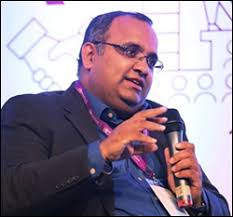
Author: Saurabh Nigam
Author Information:
Nigam is the Vice-President of Human Resources at Snapdeal and has been recognized as one of the Top 25 Future HR Leaders of the Country by People Matters & DDI International.