I still remember a leadership meeting a few years ago where we debated whether automation would make certain roles redundant. The conversation was intense, data-heavy, and efficiency-driven. Yet, when the meeting ended, what stayed with me wasn’t the technology roadmap, it was a quieter question that: “When automation takes over execution, what work will give meaning to people?”
That question has followed me through multiple boardrooms, talent reviews, and late-evening conversations with managers and employees alike. Today, as AI moves from experimentation to everyday reality, the future of work is no longer a distant concept, it is unfolding in real time, often faster than our organizational instincts can keep up.
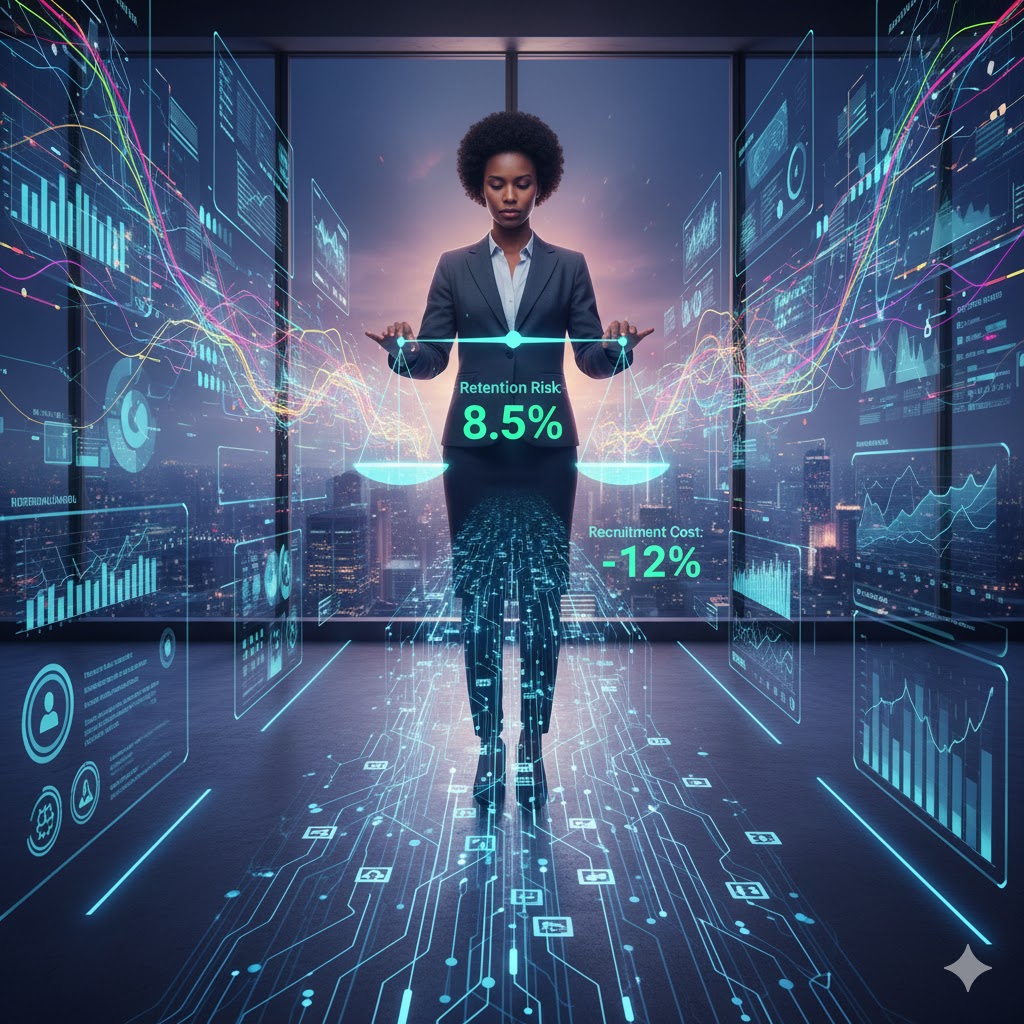
From leading several people organizations, the most important insight I’ve learned is this: the future of work is not a technology problem; it is a judgement problem.
AI Is changing work but not in the way we first imagined.
AI is undeniably transforming how work gets done. Developers use copilots to write code faster. Recruiters screen resumes with algorithms. Chatbots answer employee queries in seconds. Performance data, once lagging and subjective, is now real-time and predictive.
In one organization I worked with, AI-based tools reduced hiring cycle time by nearly 30%. In another, automation freed HR teams from transactional work, allowing them to focus on leadership coaching and workforce planning. These are real, tangible gains and they matter.
But alongside these efficiencies, something else is emerging.
Managers are learning to work alongside systems that now influence everyday decisions. Employees are recalibrating their sense of value in roles where machines can execute faster and at scale. Leaders are being forced to confront a new reality: technology may enable decisions, but accountability still sits with people.
These are not technical challenges. They are deeply human shifts in how we experience work, value, and responsibility.
The shift from execution to judgement
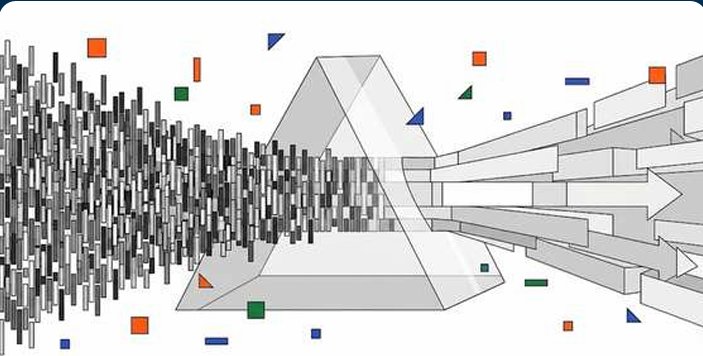
Historically, organizations rewarded execution doing things faster, cheaper, and at scale. AI excels at exactly that. It can process volumes of information, detect patterns, and generate recommendations in seconds. What it cannot replicate (at least not fully now) is the human ability to spot subtle errors, interpret nuance, and weigh ethics, timing, and broader impact.
Consider a recent example from Deloitte: their AI tool suggested a reference for a client report that, while statistically plausible, was factually incorrect. A machine may surface correlations and patterns, but it cannot reliably flag the misalignment between the recommendation and real-world context.
Similarly, in people management, AI can surface trends in performance, engagement, or potential burnout faster and more consistently than humans. But it still struggles to account for the lived context, the nuances of a team member navigating a caregiving phase, a temporary loss of confidence, or interpersonal dynamics that don’t show up in metrics. Choosing when to intervene with empathy, or when to follow the system’s recommendation, remains a human responsibility.
In the future of work, the differentiator will not be who uses AI best, but who knows when not to rely on it blindly.
When we talk about upskilling for the future, the conversation often turns to data literacy, prompt engineering, or digital fluency. These are important but insufficient. AI, while powerful, is prescriptive and can hallucinate plausible yet incorrect outputs; it does not reliably understand context or nuance.
The skills that will truly matter are quieter and harder to measure: – Judgement over instruction – Sense-making over speed, Courage to question AI-driven outputs, Emotional intelligence in moments of ambiguity and Critical discernment to verify, interpret, and contextualize AI suggestions.
I have watched strong leaders hesitate before acting on an AI-backed recommendation, not out of distrust for the data, but out of respect for what it couldn’t see. Context, timing, and human impact rarely announce themselves in metrics. That deliberate pause, choosing responsibility over automation is not hesitation; it is leadership. And it is a capability the future of work will demand far more often than speed alone.
Culture decides what gets scaled
The same technology can either empower or erode trust depending entirely on culture.
In organizations where transparency and fairness are strong, AI becomes an enabler: employees see it as a tool that reduces bias and workload. In cultures driven by fear or opacity, the same tools feel like surveillance and control.
As leaders, we must ask ourselves uncomfortable questions: Are we using AI to replace judgement or to support it? Are we clear about where human accountability begins and ends?
These choices will shape not just productivity but belonging.
A provocation for Leaders
The most dangerous assumption we can make is that AI will simplify leadership. It won’t. It will raise the bar.
The future of work will not reduce the role of leaders; it will concentrate it. As systems increasingly guide decisions, judgement and accountability become harder and more important. How organizations recognize and reward this shift will shape their culture. When decisions are augmented by AI, where does responsibility truly sit?
If we get this right, AI can free humans to do more meaningful, creative, and ethical work. If we get it wrong, we risk building organizations that are efficient but soulless.
From where I sit, the future of work is not about humans versus machines. It is about humans rising to the responsibility that intelligent machines place on us.
And that, perhaps, is the most human challenge of all.
About the Author
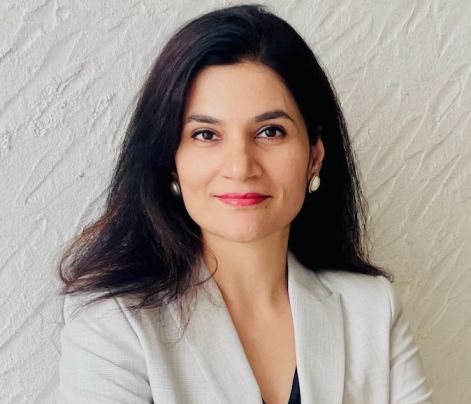
Antra Virmani is the Chief People Officer at IntraEdge Technologies and a seasoned HR leader
with over 20 years of experience in talent strategy, organizational transformation, and people
leadership. She has been featured in Forbes India and recognized and awarded by the Human
Resource Association of India (HRAI) as a Women Trailblazer. Antra brings a strategic, human
centric perspective to building workplaces where innovation and people thrive together.